Reduce Energy Costs in Your Restaurant
The cost of electricity is one of the most impactful factors in a restaurant's profitability.
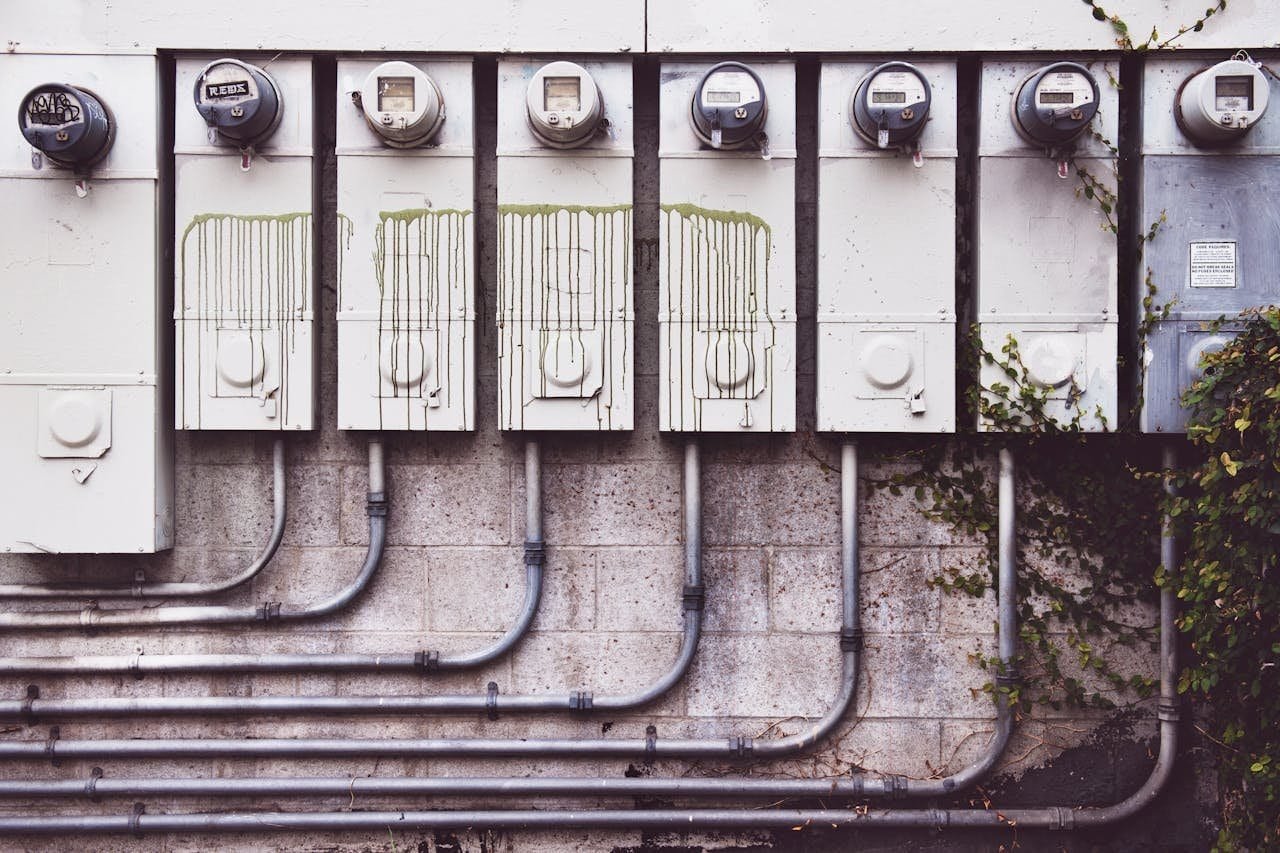
The cost of electricity is one of the most impactful factors in a restaurant's profitability. High monthly bills do not only reduce your profits; they are also a constant challenge for owners who want to keep the business efficient and competitive.
However, implementing certain strategies and optimizations can make a significant difference in energy consumption.
Below is a complete guide with practical recommendations to reduce energy costs without compromising service quality.
It is important to be honest: although eliminating this expense entirely is impossible, you can manage it more effectively to keep it to a minimum.
That will require a comprehensive approach, from how you use your equipment to how you manage lighting and ventilation in the space.
Effective Strategies to Reduce Energy Consumption in Your Restaurant
1. Minimize the Use of Electrical Equipment in the Kitchen
The kitchen is, without a doubt, one of the highest-energy areas in any restaurant. Many of the appliances you use every day require large amounts of electricity, and the challenge is identifying which ones are truly essential.
Evaluate and remove what is unnecessary: Make a list of the electrical equipment you use and assess whether it can be replaced with manual alternatives. For example:
Food processors can be replaced with high-quality knives and manual cutting techniques.
Electric fryers can be replaced with gas fryers, which are more efficient and faster.
Electric mixers can sometimes be replaced with manual mixers, especially for small batches.
Optimize the use of essential equipment: You cannot eliminate everything, but you can use what is essential more efficiently. Make sure equipment such as microwaves, blenders, and rice cookers stays in good condition. Perform regular maintenance and train your staff to use them efficiently, cutting unnecessary run times.
2. Strategic Lighting to Save Energy
Lighting is another major energy consumer in a restaurant, especially if the space has long opening hours. However, there are smart ways to light the space without incurring high costs.
Make the most of natural light: If possible, redesign or adapt the premises to let sunlight reach the interior areas. Installing skylights or translucent roof blocks can be an upfront investment, but it pays for itself quickly by reducing the need for artificial light during the day.
Install LED bulbs: LED bulbs are a better option than traditional ones because they use up to 75% less energy and last much longer. They also generate less heat, which helps reduce air conditioning use.
Use motion sensors: In areas such as restrooms, storage rooms, and offices, consider installing motion sensors that turn lights on and off automatically. This ensures the lights do not stay on when they are not needed.
3. Smart Air and Ventilation Management
Air conditioning can be one of the biggest energy consumers, especially in regions with hot climates. However, with proper management of airflow, you can reduce its use considerably.
Design efficient cross-ventilation: Make sure there are enough air intake and outlet points in the restaurant to let the wind circulate naturally. By doing so, you can keep the space cool for much of the day without turning on the air conditioning. Strategically placed doors and windows can do wonders for ventilation.
Install ceiling fans: These can be a cheaper and more efficient solution than air conditioning. Ceiling fans help distribute air evenly, creating a cool, comfortable environment for guests.
Efficient air conditioning: When you need to use it, make sure the air conditioning system is in good condition. Regular maintenance and clean filters will ensure efficient operation. Also, set the temperature at a comfortable but not excessively low level, which consumes more energy.
More Tips to Optimize Energy Consumption
4. Refrigeration and Storage Control
Optimize the use of refrigerators and freezers: Avoid opening the doors constantly and make sure the door gaskets are in good condition to prevent cold air leaks. Organize food so that the items you use most are in front and the ones you use less are in back.
Do not overload refrigerators: An overloaded refrigerator has to work harder to maintain the right temperature. Organize food efficiently, and if you have several refrigerators, consider consolidating the contents into one on slower days.
5. Ongoing Maintenance and Monitoring
Conduct energy audits: An energy audit can help you identify areas for improvement and equipment that uses more energy than necessary. A specialized technician can offer specific recommendations to optimize your energy consumption.
Train your staff: Make sure the whole team is trained to follow energy-saving best practices. This includes turning off equipment when it is not in use, closing refrigerator doors quickly, and managing air conditioning and lighting efficiently.
6. Use Renewable Energy When Possible
Install solar panels: If your budget allows, consider investing in solar power. Solar panels can help you significantly reduce energy costs over the long term and improve the sustainability of your business. This is also an excellent marketing strategy, since many guests value eco-friendly practices.
Implementing these strategies will not only reduce your energy costs and increase your restaurant's profitability; it will also contribute to caring for the environment.
Keep an eye on our website for more useful tips on how to optimize costs and make your restaurant more efficient.