Savings that cost you dearly: common mistakes that hurt the experience at your restaurant
A common situation among restaurant owners and managers is the constant search to reduce operating costs. Yet these efforts often produce minimal savings that, over time, can hurt the profitability of the business.

In this article
A common situation among restaurant owners and managers is the constant search to reduce operating costs. Yet these efforts often produce minimal savings that, over time, can hurt the profitability of the business.
Although it is natural to want to maximize profits, certain mistakes made in the name of saving can lead to bigger losses, especially when they affect the guest experience and the overall quality of the restaurant. Here are some of the most common mistakes made while trying to “save pennies,” along with their long-term consequences:
1. Choosing ingredients because they are cheaper
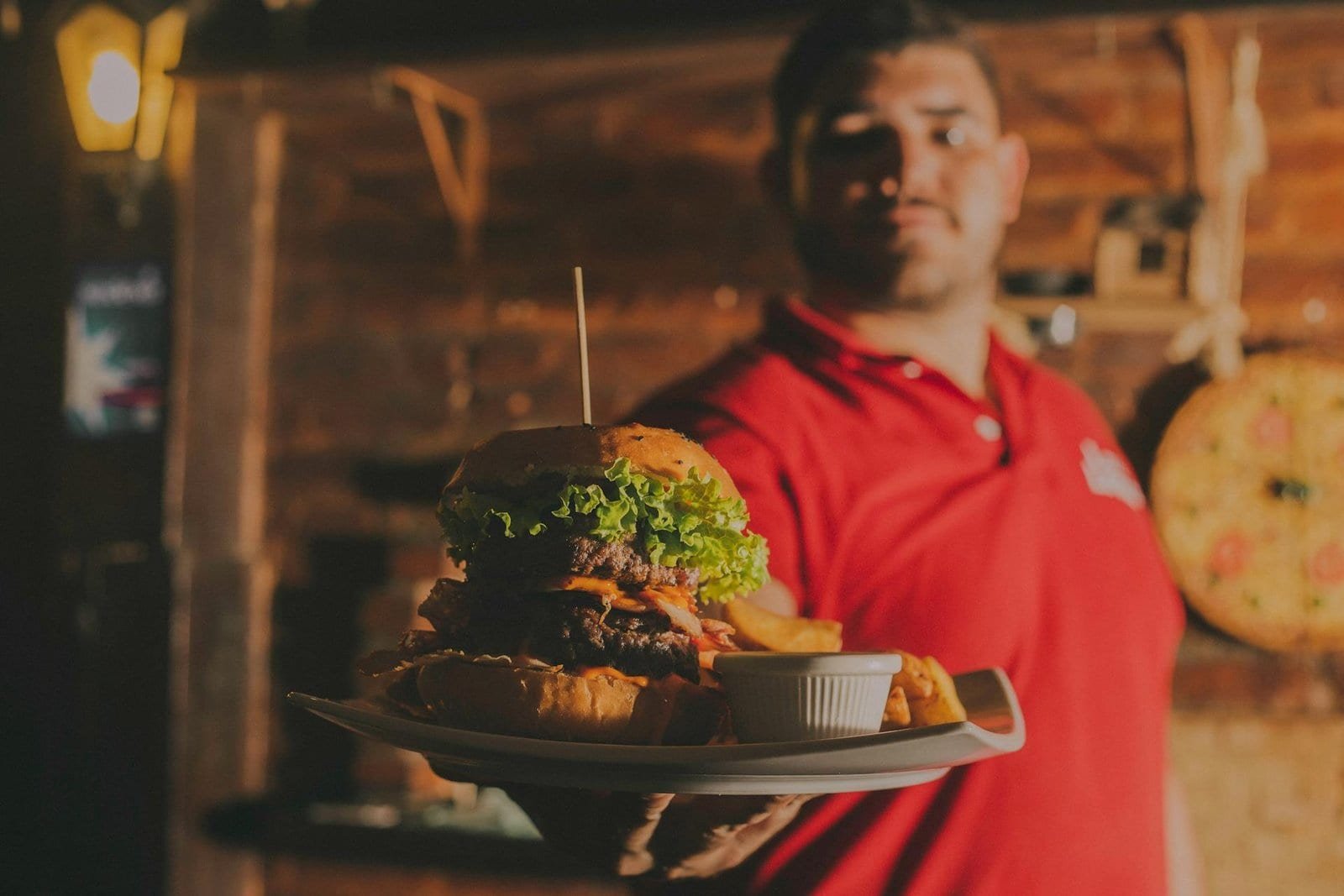
When you choose lower-quality ingredients, it can feel like a smart financial decision, since the upfront costs are lower. What many owners do not consider is that low-cost ingredients usually mean lower quality. You may see savings on the invoice in the short term, but the drop in the quality of your dishes will become obvious quickly, and your guests’ dining experience will suffer along with it.
Food quality is essential to the success of any restaurant. If guests notice that the ingredients are not fresh or that the flavors have changed, they will stop coming back and, worse, they will not recommend the place. Word of mouth is one of the most effective forms of advertising in this industry, so risking that valuable recommendation to save a few pennies can turn into significant losses. Save somewhere else, but never on the quality of your ingredients.
2. Buying low-quality glasses and plates
Another common mistake is choosing cheap tableware, such as poor-quality glasses and plates, in the belief that it will lower operating costs. It may look like a harmless measure, but tableware is part of the overall guest experience. Eating from fine plates and drinking from quality glasses shapes how diners perceive your restaurant.
The perceived value of a dining experience is also determined by the details. If your glasses and plates are low quality or look unprofessional, guests will not only sense a lack of care in the service; they may assume the rest of the experience follows the same pattern. Investing in durable, good-quality tableware not only improves the experience but can also reduce costs in the long run, because you will not have to replace it as often.
3. Using cheap packaging for takeout orders
When a guest orders food to take home, that package is an extension of your brand. Cheap packaging may look like a quick way to save money, but over time it can affect how people perceive your restaurant. Poor-quality packaging not only risks breaking; it is also a wasted chance to promote your brand.
Investing in custom packaging with your restaurant’s logo not only lets you give guests a more pleasant, professional experience; it also works as free advertising. When a guest carries food in a well-designed container with your logo clearly visible, others will notice your restaurant’s name, which increases your brand’s exposure in places other advertising channels may never reach. The key is to understand that, even if packaging seems like a minor detail, it is an opportunity to reinforce your restaurant’s identity.
4. Going with basic chairs and tables
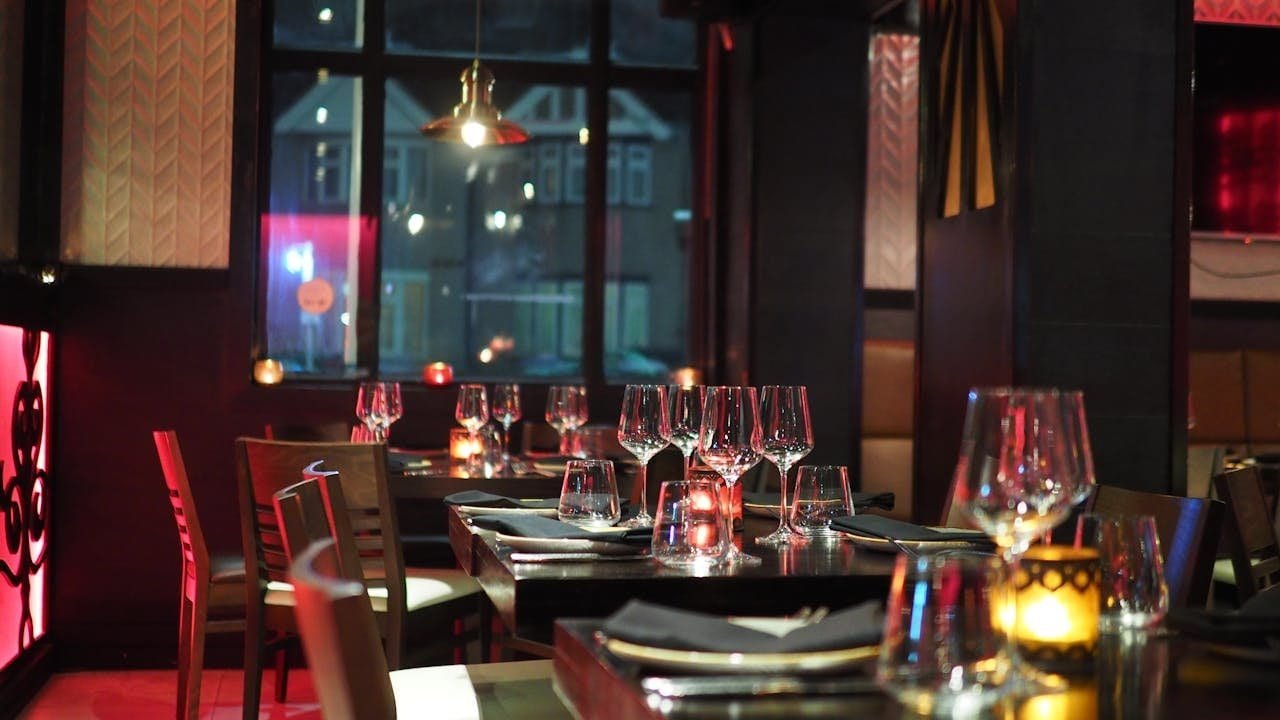
Restaurant furniture is crucial to guest comfort. In an attempt to save, some restaurants choose cheaper chairs and tables, sacrificing comfort in the process. This can have a direct impact on guest satisfaction. If the chairs are uncomfortable or the tables are not wide enough or stable enough, the dining experience suffers.
Diners who do not feel comfortable during their visit tend to cut it short, which means they will not enjoy their meal or order dessert or extra drinks, reducing the opportunities to raise the average check. Worse still, if the discomfort is extreme, guests will not hesitate to leave early and never come back. A restaurant that invests in comfortable, quality furniture creates a positive experience that makes guests want to stay longer and return in the future.
5. The importance of looking beyond immediate savings
It is understandable that, as a restaurant owner or manager, you want to reduce costs and maximize profits. However, it is crucial not to fall into the trap of making savings that compromise the quality of the guest experience. A restaurant’s long-term success is not only about healthy profit margins; it is about delivering a memorable experience that brings guests back again and again.
Every decision should be weighed not only by how much it saves, but also by how it will affect guest perception and your restaurant’s reputation. The key is to balance cost control with maintaining high quality standards in every area, from ingredients to furniture to service.
Conclusion
Cutting costs in a restaurant is necessary, but not at the expense of quality. Small savings on ingredients, tableware, packaging, or furniture can create negative effects in the long run. Save wisely in areas that do not compromise the guest experience, because guest satisfaction is the real key to your restaurant’s success and profitability.