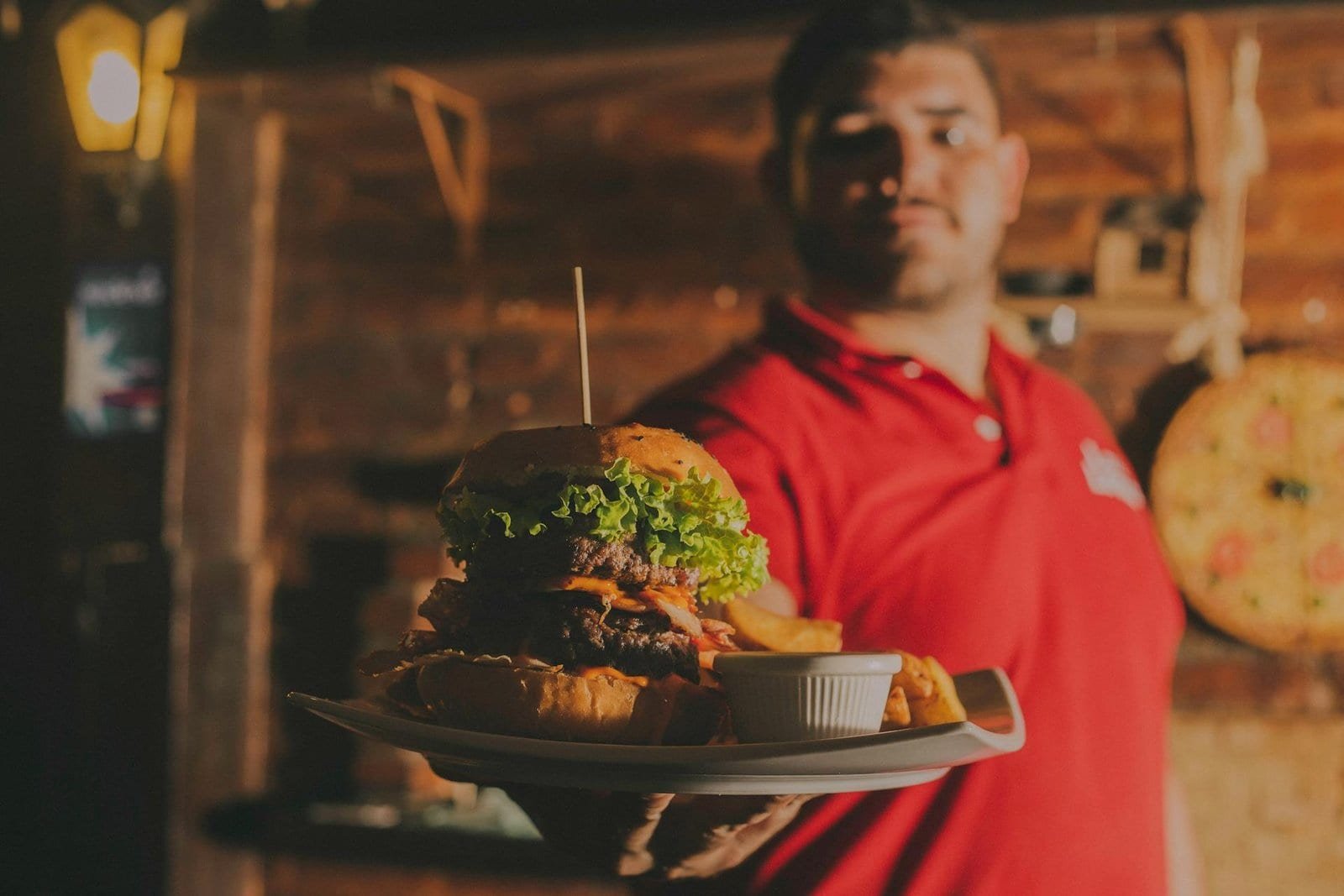
Fryers, saturated fats: avoid risks and avoid losing money
The fryers in our restaurants seem like our friends, but if we do not take good care of them they can become our enemies.

In this article
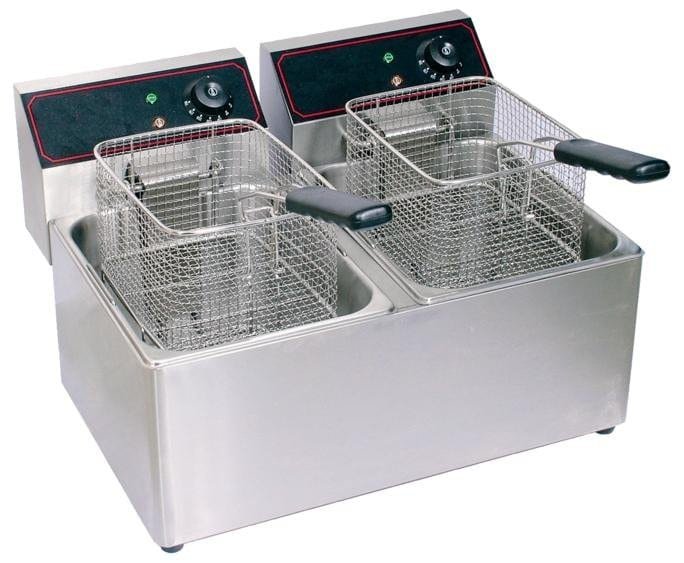
You need to learn to do things right before the problems arrive. Many countries do not have strict controls on the use of oils and saturated fats, but others do, and sooner or later your country may take action on the matter, and that is where the risk lies.
If your restaurant is not prepared, you can face fines that will undoubtedly affect the finances of the business.
In Panama, for example, which is a very interesting country for doing business and investing, quality is being taken very seriously. Not long ago the Consumer Protection and Competition Authority carried out an inspection of more than 800 food businesses, from informal street vendors to the most established fast-food restaurants, with the simple purpose of verifying whether they comply with “the permitted limit of fatty acids” by analyzing oils, shortenings, and the condition of the fryers.
If this type of control does not exist in your country, do not doubt that it will arrive, and you should not wait until it is too late. This is nothing new in other, more developed countries, and remember that our Latin American countries are specialists in copying laws from the United States in order to improve their respective competitiveness.
You need to have control over the condition and the cleanliness of your restaurant fryers, and you need to keep an oil-change policy that respects the health of your guests. It is not a good idea to think about saving money on these matters. Many times, by saving on oil or shortening, we can create more serious problems for our restaurants.
Do not wait until you are forced to. Act right now.