Cleanliness and hygiene as a priority in your restaurant
Cleanliness and hygiene, a top priority
In this article
Cleanliness and hygiene, a top priority
It is common for some restaurant employees to neglect cleanliness and hygiene under the pressure of serving customers quickly. When the place is full and the team faces the challenge of serving a large number of people in a short time, it is usual for them to leave sauces uncovered, spills uncleaned, or food scraps in plain sight, thinking they can take care of these details later.
Although this approach may seem beneficial in the short term, since it reduces customer wait times, the reality is that it brings serious consequences in the long run.
Cleaning tasks pile up, which leads to a chaotic work environment and puts the restaurant's overall hygiene at risk.
It is essential to keep in mind that the success of a restaurant does not depend on cleanliness alone. To improve performance, it is fundamental to learn and apply new techniques and strategies, such as the ones we share in our sections dedicated to increasing sales and optimizing restaurant management, but cleanliness definitely plays an extremely relevant role.
The Importance of Internal and External Hygiene
When we talk about cleanliness in a restaurant, we must consider two key areas: internal and external hygiene. Internal hygiene refers to cleaning the kitchen areas and those spaces that customers cannot see, while external hygiene covers everything diners perceive, such as restrooms, floors, and utensils.
When we neglect these aspects, the problem gets worse as it turns into a regular practice.
This neglect not only increases health risks, but can also directly affect the safety of employees and customers. Here are some examples of the most common risks:
Food poisoning: A lack of hygiene can cause dangerous bacteria to come into contact with food, putting the health of your customers at risk.
Employee illness: The buildup of dirt and the lack of cleaning contribute to the spread of germs, affecting the health of your staff.
Fire and explosion risks: Dirt accumulated in the kitchen, combined with gas and oils, can cause fires.
Bad reputation: Dirty plates, restrooms in poor condition, or dirty floors can damage the image of your restaurant and drive customers away.
These examples underscore the importance of making cleanliness an essential component of your business's success. It should not be seen as an isolated task, but as a constant and fundamental practice.
Ongoing cleaning policies
To ensure that cleanliness is not set aside, it is crucial to establish permanent and effective policies.
Hygiene must be a collective responsibility that covers all areas of the restaurant, from the kitchen to the dining room.
Here are some recommended actions that can serve as a guide for you to start your own cleaning protocol or policy:
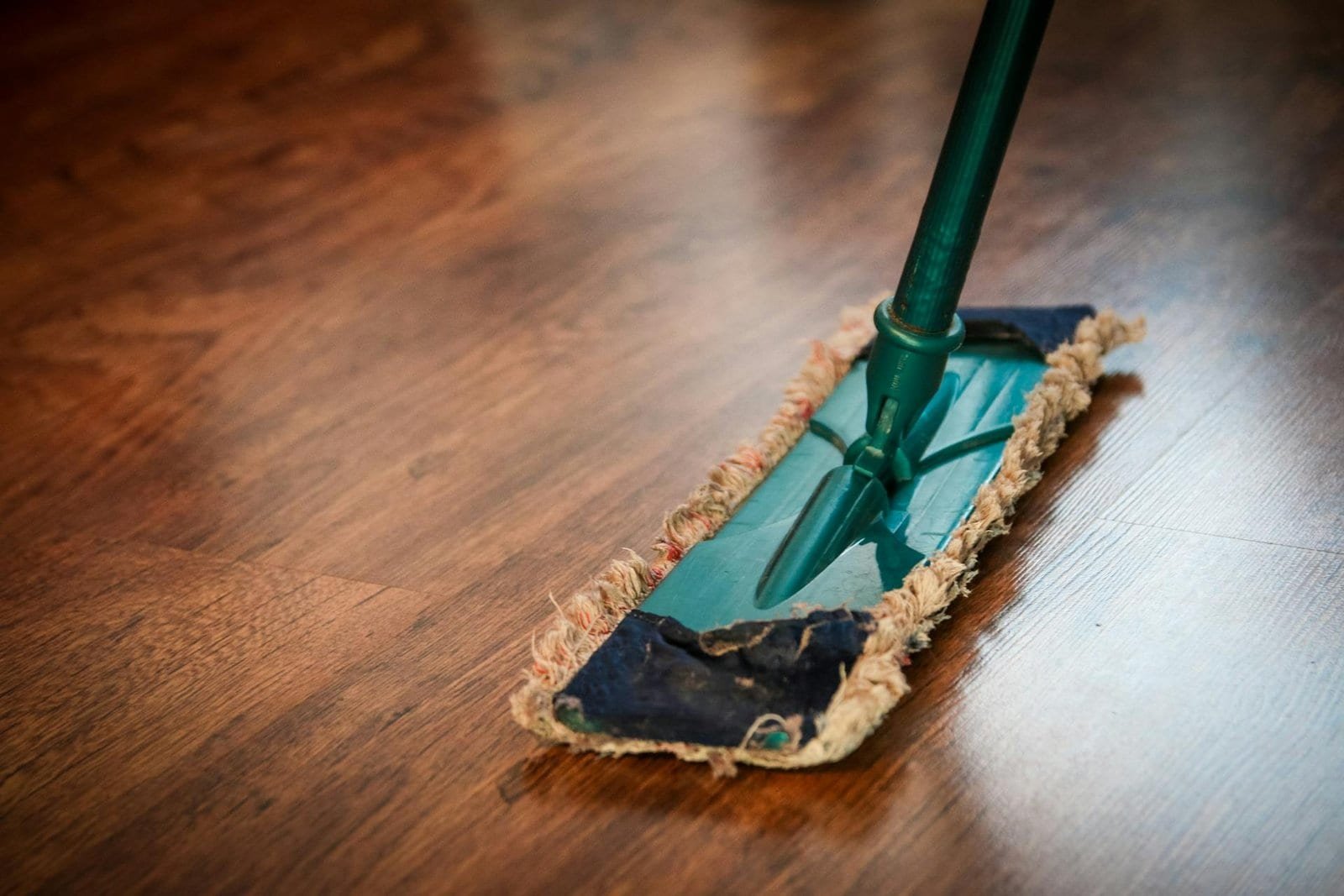
Floor cleaning at least every 20 minutes:
It is important to keep traffic areas clear and free of spills to guarantee the safety of your customers and employees.
This not only helps prevent accidents, such as slips and falls, but also contributes to a better overall impression of the restaurant. To achieve this, assign a team member to regularly check and clean the aisles, entrances, and service areas.
Use warning signs when the floor is wet to avoid any mishap.
Constant kitchen supervision:
Check kitchen cleanliness at least every hour to avoid the buildup of dirt and food scraps.
A clean kitchen is not only essential for food safety, but also improves the efficiency of the work team. Make sure that utensils, prep surfaces, and storage areas are disinfected and free of residue.
Implement cleaning checklists that employees can follow to ensure that no detail is overlooked.
Table disinfection:
Clean and disinfect tables constantly, even if they have not been used.
Dust, crumbs, and other residue can build up quickly, affecting the customer experience. Use appropriate cleaning products to eliminate bacteria and make sure that tables are dry before customers use them.
In addition, check the chairs and seats to make sure they are clean and in good condition.
Restroom cleaning:
Make sure to clean the restrooms every 20 minutes to keep a fresh and pleasant environment. Restrooms are one of the most sensitive points of a restaurant and can significantly influence how customers perceive the business.
Constantly monitor the soap, toilet paper, and paper towel dispensers, and replace these supplies when necessary.
In addition, check that the mirrors, sinks, and floors are spotless.
Wash dishes immediately:
Do not let dirty dishes pile up in the kitchen. Wash them as they are used to avoid bad odors and keep an orderly, clean environment.
This also makes the workflow in the kitchen easier, since employees will always have clean utensils and plates ready to use.
Use high-quality detergents and sanitizers to ensure that dishes are completely clean and safe for your customers.
Pest control:
Pests can be a serious problem in any food establishment. Hire specialized services to carry out regular inspections and preventive treatments.
Make sure that trash is covered and kept away from food preparation areas, and keep a strict protocol for storing ingredients to avoid attracting pests.
Educate your staff on the importance of keeping storage areas organized and safe.
Safe food handling:
Use gloves when handling delicate ingredients and make sure that food is stored properly, at the correct temperatures.
Train your staff in the best food safety practices, including proper handwashing and the correct disinfection of work surfaces.
In addition, label and organize ingredients to avoid cross-contamination and make sure that perishable products are used before their expiration date.
Dust-free glasses and plates:
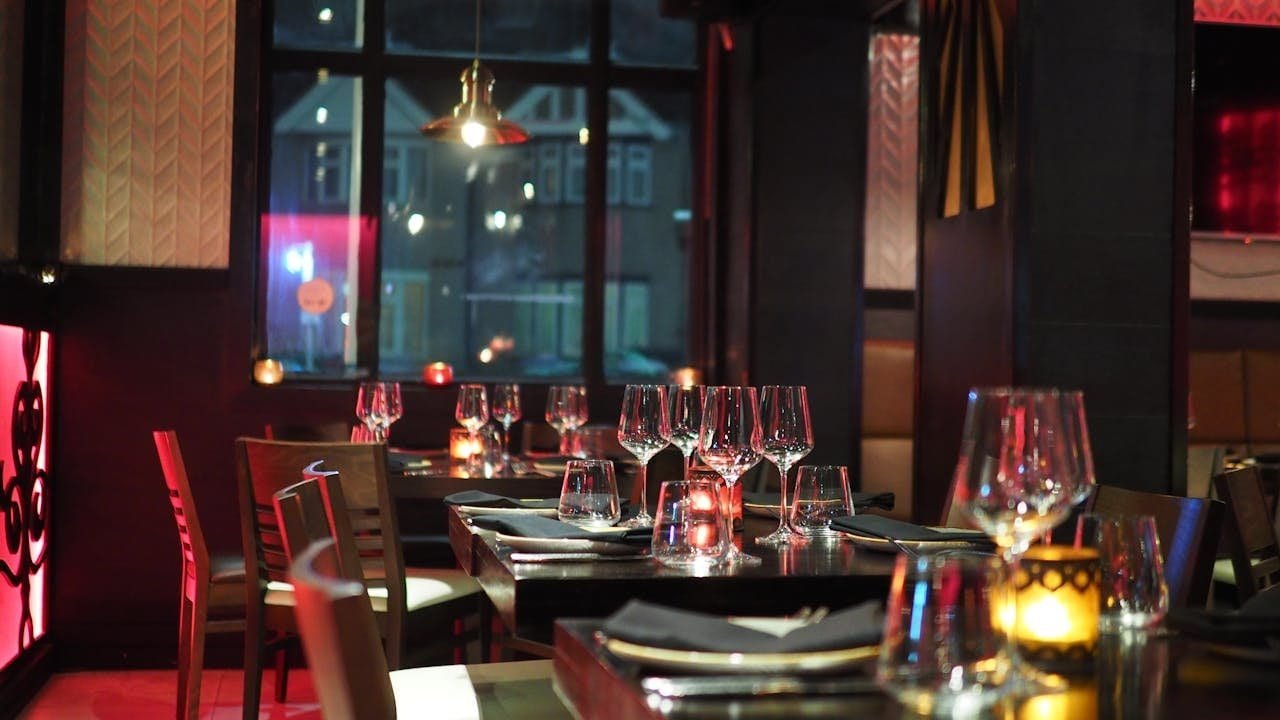
Check that glasses and plates are perfectly clean before placing them on the tables. Even if they have already been washed, make sure they have no dust residue or water spots.
This is essential to maintain a good presentation and to prevent customers from feeling uncomfortable at the sight of dirty utensils.
In addition, pay attention to the glassware, making sure that the glasses shine and are in optimal condition.
Hygiene and Customer Perception
We should not underestimate the impact of cleanliness on customer perception. Every detail counts, from the smell when entering the restaurant to the cleanliness of the utensils.
In the age of social media, a single oversight can turn into a media disaster. Customers do not hesitate to share their bad experiences online, and some even take photos to document cleaning failures, which can generate far-reaching negative publicity.
That is why prioritizing cleanliness not only protects your customers and employees, but also reinforces the reputation of your restaurant.
A clean and well-cared-for environment attracts more diners and can translate into a significant increase in revenue.