Restaurant closures, a time to reflect
It is normal for many restaurants to close their doors year after year in any country, but when traditional industry leaders or fairly long-established businesses start doing it, it is time to reflect.
In this article
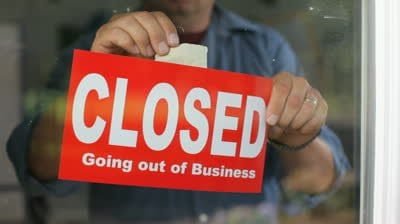
There are many situations that cause a closure in an industry as complex as food service. It is not unusual at all for more restaurants to close than to open year after year. It is to be expected.
Many are started by people with no experience in the industry, others are experiments rather than projects designed from the start to become something big, in other cases a crisis causes the doors to close, or in some cases reforms introduced by governments are the cause.
In recent weeks we have witnessed many closures and problems in the industry in various countries.
– Mexico: CANIRAC, the Chamber of the Restaurant and Seasoned Food Industry, reported that the harmonization of VAT at the border (raising the preferential 11% VAT rate in the border zones to 16%, as in the rest of the country) is causing problems for the restaurant industry in Tamaulipas.
According to this article from Milenio.com, the reform is causing problems for many businesses, mainly restaurants.
– Spain: Currito, a restaurant that has been in Madrid for 40 years, is closing its doors because of an increase in the monthly rent, which it had not been paying since 2008 because it was too high (13,000 euros per month), and because of problems in the area that had reduced foot traffic, which had already caused the closure of other restaurants.
– Argentina: Dante Camaño, general secretary of U.T.H.G.R.A. – the Hotel and Restaurant Workers' Union of the Argentine Republic (Capital Branch), reports in this article from asteriscos.tv that there are thousands of layoffs in the industry, mainly because customer spending has dropped.
From that same article, I would like to highlight the reflection of the president of the Restaurant Chamber of the city of Buenos Aires, Verónica Sánchez… in which she says that it is normal for closures to happen year after year, but she expresses her concern over the fact that closures of classic restaurants are increasing, and for those it is clear that the cause has not been a lack of experience in the industry.
After reviewing these cases from 3 countries, we must reflect and realize that our industry faces fairly large challenges. It is incredible to think that a single reform or a single change can make our ventures die. That is why we must think about contingency plans by asking ourselves the following questions:
– What would happen if the spectacular government of my country imposes new reforms that affect my business?
– What would happen if the owner of the property where I have my restaurant decides to raise the rent?
– What would happen if the economic crisis makes my customers decide to watch their money more closely and stop eating out?
These are delicate questions, but as restaurant owners we must ask them to try to anticipate problems.
In other articles we will talk more about possible contingency plans that can be applied to deal with these delicate situations. In the meantime, we invite you to read this article where we talk about what to do when things go wrong in a restaurant.